


Today’s automotive marketplace is more competitive online than ever before. Building a successful digital marketing strategy requires more than generating qualified leads, strengthening relations, and guiding shoppers toward a confident purchasing decision. Establishing a recognizable brand is the key to adding value, whether through website traffic, social media, email campaigns, or creative online content.
Earlier this year, JD Power projected a 5.8-percent increase year-over-year in new vehicle sales for May 2026, creating significant opportunities for dealerships to capitalize on rising consumer demand. Success, however, depends on reaching customers well before they step onto the showroom floor. Today’s vehicle shoppers research extensively online, compare options, and evaluate their findings throughout their buying journey.
With a well-executed fusion of informative content writing and persuasive copywriting in your marketing strategies, you can educate potential customers, establish credibility, and encourage engagement to drive conversions.
Two Writing Styles, One Marketing Strategy
Often grouped together in a range of traditional and digital marketing channels, content writing and copywriting each serve a distinct purpose when it comes to supporting different business and communication objectives.
Content Writing
Content writing focuses on educating the consumer, providing them with the information they want through vehicle research landing pages, comparison articles, blogs, buying guides, content videos (YouTube), and other long-form resources. Well-written content answers questions, establishes expertise, improves online visibility and rankings through search engine optimization (SEO), and builds long-term credibility. Rather than persuading a consumer to make an immediate decision to purchase, content writing demonstrates the dealership’s knowledge of its vehicles while reinforcing its understanding of the customer’s individual needs.
Copywriting
The primary function of copywriting is to influence purchasing decisions through compelling, action-driven messaging. From the catchy headline and intriguing opening paragraph to the overall directive and a closing call to action (CTA) like browsing inventory, scheduling a test drive, requesting financing information, and contacting the dealership, every word is crafted to guide the reader toward the next step.
Shaping Content With Copywriting
The most effective web content combines both writing styles seamlessly. Content writing attracts and entices; copywriting motivates the reader to act. The first step of a customer’s vehicle-buying journey is becoming informed. Educational content writing introduces shoppers to a vehicle by detailing performance, technology, safety features, towing capability, or family-focused practicality. Once that interest has been established, persuasive copywriting serves as the hook that reinforces an emotional connection by showing the reader how a particular vehicle is relatable to their personality and driving style, followed by addressing any questions or concerns before presenting a clear CTA.
Landing pages are among the most important opportunities to turn website visitors into qualified leads. An attention-grabbing headline immediately communicates value. Then, content writing and copywriting merge, getting to the heart of the matter with concise, accurate information about vehicle specifications, innovative connectivity and safety technologies, trim differences, unique financing opportunities, dealership advantages, and the CTA, all explained in a cordial tone that won’t overwhelm the reader. Clear, purposeful messaging through both content and copywriting greatly increases conversion opportunities.
Speaking the Automotive Language
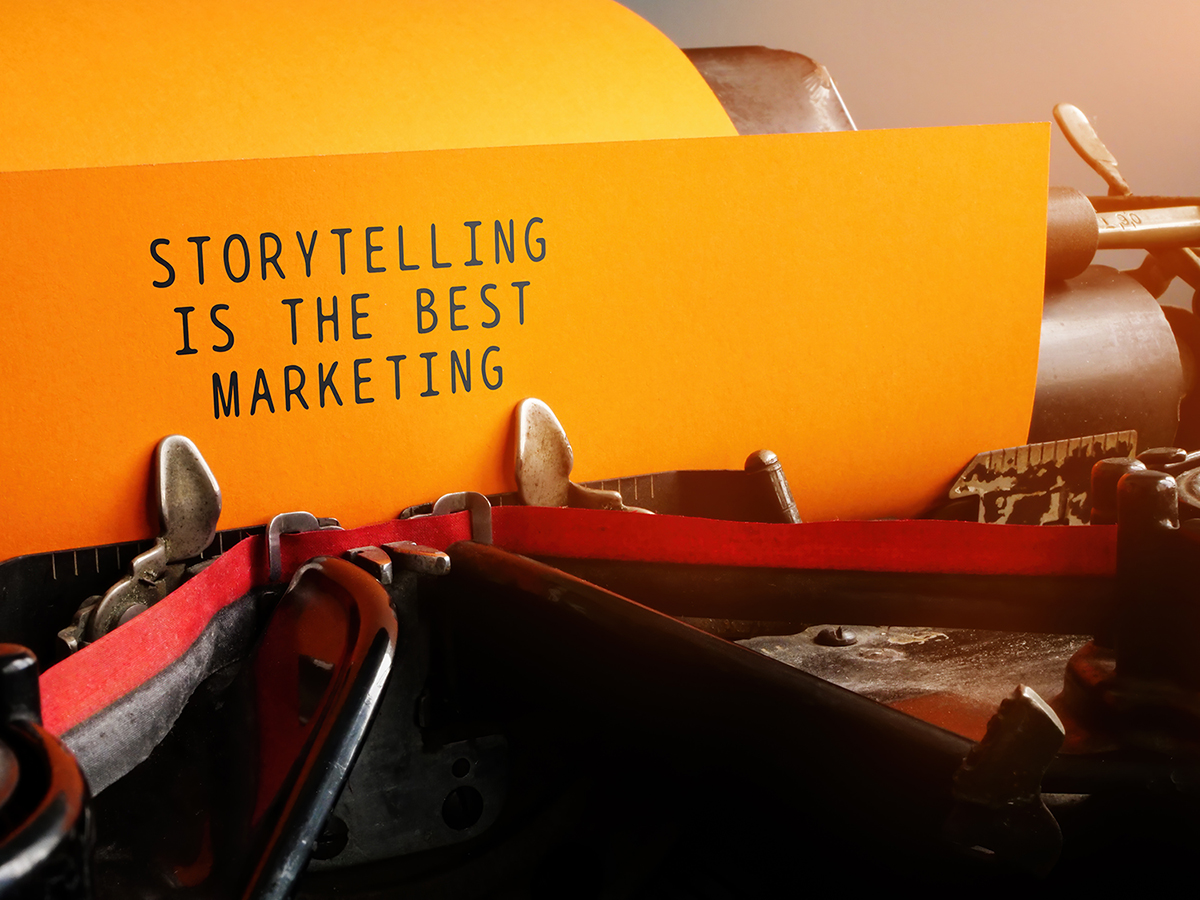
Professional content writers and copywriters don’t just inform; they serve as storytellers. Knowing a singular message does not resonate with every reader, especially in the automotive industry, they know exactly how to spin a creatively worded yarn that’s targeted toward a specific audience.
High-performance muscle or pony car enthusiasts respond to entirely different motivations than luxury-brand owners, family-friendly commuters, and rugged truck and off-road adventurers would. The same can be said for consumers who prefer the flexibility and expanded cargo space of an SUV over a sporty sedan model, or gas-powered models versus electric vehicles (EVs). Effective dealership marketing copy recognizes these distinctions and adjusts storytelling methods accordingly.
Before presenting the facts and specifications, the writer must first understand these audiences so they can form a connection with them on a personal level. Product information reinforces confidence. Effective storytelling techniques establish relevance. Balancing each helps shoppers envision how a particular vehicle fits into their unique lifestyle and daily routine while providing the facts they need to make an informed decision.
Content Marketing for the AI Generation
Consumer research habits continue to evolve as artificial intelligence (AI) becomes part of the shopping experience. According to an Autotrader study, 83-percent of consumers believe AI will influence how they shop over the next decade. Today’s consumers increasingly rely on AI-powered search tools to compare vehicles, summarize information, answer questions, and narrow down their purchase options. This shift places greater emphasis on creating marketing content that is both reader- and AI-friendly in the form of large language models (LLMs).
An LLM analyzes vast amounts of information collected from articles, websites, and online written material to recognize language patterns and generate natural responses. LLMs do not store or understand information in a human sense. Instead, they predict the most likely sequence of words based on patterns learned during training and provide simplified responses, which should always be reviewed for accuracy. LLMs can increase the likelihood that your website will be referenced in AI-generated responses, helping direct qualified audiences to your content while expanding brand awareness.
The Future Belongs to Integrated Storytelling
Effective dealership marketing combines content writing and copywriting into a unified strategy to educate, inspire, and take action. Content writing informs the consumer, while copywriting persuades them to take the next step. Along with LLMs, these writing techniques can generate leads and achieve positive business results.
As automotive retail continues its evolution into the digital world, successfully blending storytelling, factual information, persuasive messaging, and AI optimization will strengthen your online presence, foster customer engagement, and convert leads into long-term customers.
If you’re interested in exploring ways to elevate your dealership’s online presence and performance, we invite you to contact the Aronson Advertising professionals via our online form or by phone at (847) 297-1700.